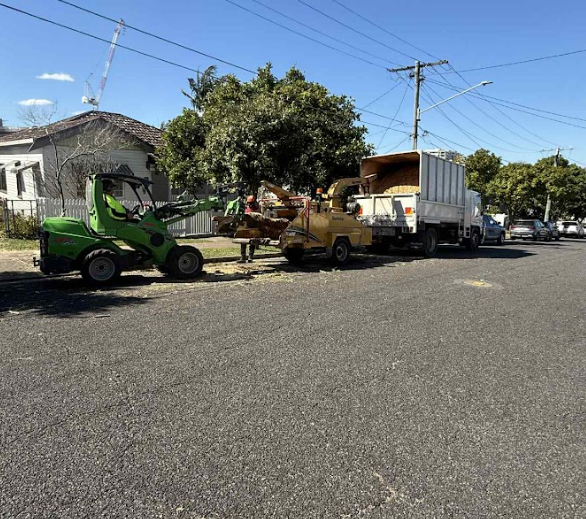
Lopping Overhanging Trees From the Common Walkway
Case Study: Tree Lopping in Yandina – Ensuring Safety Around a Common Walkway
Introduction
Large, mature trees are a defining feature of many Sunshine Coast suburbs, adding shade, beauty, and a connection to nature. However, when branches grow too far into public or shared spaces, they can create safety concerns for both homeowners and the community. In Yandina, Queensland, Superior Tree Service was recently engaged to address such an issue for a client whose tree had developed an overhanging branch across a common walkway. This case study details how the team resolved the problem through professional tree lopping, ensuring safety for pedestrians while leaving the client with a sustainable garden resource.
Background
The homeowner had long cared for the trees and plants in their front yard, maintaining a vibrant garden that added character to their property. One tree in particular had grown substantially over the years. While healthy, one of its larger branches extended beyond the boundary of the yard and began to overhang a common walkway used by neighbours and visitors.
The homeowner was concerned about the potential hazard the branch posed, especially during windy or stormy conditions. A falling branch could have caused injury to pedestrians or damage to nearby property. Recognising their responsibility to keep the area safe, the homeowner decided to take preventative action.
They contacted Superior Tree Service after hearing about the company’s reputation for safe, efficient, and environmentally conscious tree care. Their request was clear: the overhanging branch needed to be lopped and removed, and they also wanted the fallen material chipped into mulch they could reuse in their garden.
Site Assessment and Planning
Upon arrival, the Superior Tree Service team conducted a detailed site assessment. The inspection confirmed:
- The tree was healthy overall and did not require full removal.
- The branch in question was large enough to cause serious damage if it fell unexpectedly.
- Its position above a shared walkway made safety the top priority.
- There was adequate space to set up rigging and lower the branch safely without obstructing the walkway for long periods.
The client’s secondary request, to chip the branch into mulch, was also factored into the plan. This sustainable approach would allow the client to benefit from the material rather than dispose of it off-site.
The plan involved:
- Setting up a rigging system to carefully control the branch’s removal.
- Sectioning the branch into smaller, manageable pieces to avoid sudden drops.
- Feeding the removed material through a wood chipper to create garden mulch.
- Leaving the site clean, safe, and ready for continued use of the walkway.
The Tree Lopping Process
- Preparation
The work area was prepared by placing safety markers and notifying nearby residents of temporary access restrictions. The team inspected all climbing and rigging gear before beginning. - Climbing and Rigging
An experienced arborist climbed the tree using rope and harness equipment. A pulley system was installed to control the lowering of cut sections. This was essential to ensure the branch could be removed without sudden drops that might endanger people or property. - Branch Sectioning
The overhanging branch was too large to remove in one cut. The arborist worked systematically from the outer end inward, cutting sections and lowering them to the ground by rope. This controlled method prevented any damage to the walkway and kept the process safe. - Final Removal
Once the bulk of the branch had been removed, a final cut was made at the branch collar to allow the tree to heal properly. This technique reduces the risk of disease and helps maintain the tree’s long-term health. - Chipping and Mulching
The cut branch material was fed into a chipper on-site. The resulting mulch was left for the homeowner, who planned to spread it around garden beds. This not only reduced waste but also provided a natural way to improve soil health and retain moisture in the garden. - Clean-Up
The team ensured the site was fully cleaned before leaving. The walkway was cleared of all debris, and the front yard was left neat and tidy.
Results
The project was completed smoothly and within the planned timeframe. The overhanging branch was removed without incident, and the common walkway was once again safe for use by neighbours and visitors.
The homeowner was extremely pleased with the outcome. They appreciated the careful, controlled approach to lopping, the clear communication throughout the process, and the added benefit of receiving mulch for their garden. By recycling the removed branch into usable material, Superior Tree Service delivered both a practical safety solution and a sustainable outcome.
Conclusion
This Yandina case study highlights the importance of proactive tree management in residential areas. By addressing the overhanging branch before it became a hazard, the homeowner not only fulfilled their duty of care to neighbours but also safeguarded their property’s reputation within the community.
Superior Tree Service’s role was central to the project’s success. With expertise in safe climbing, controlled rigging, and environmentally responsible practices, the team provided a solution that balanced safety, tree health, and sustainability.
For homeowners across the Sunshine Coast, this project demonstrates that even a single problematic branch can be managed effectively with the help of professional arborists. Superior Tree Service continues to deliver peace of mind through expert tree care, ensuring properties and communities remain safe while making the most of natural resources.
Superior Tree Services — Safe. Reliable. Professional.
Call us today or visit our website to schedule your free consultation.
Tel:0492 911 058
Project Details
- Client – Residential
- Suburb – Yandina, QLD
- Task – Lop trees that were hanging across the common walkway